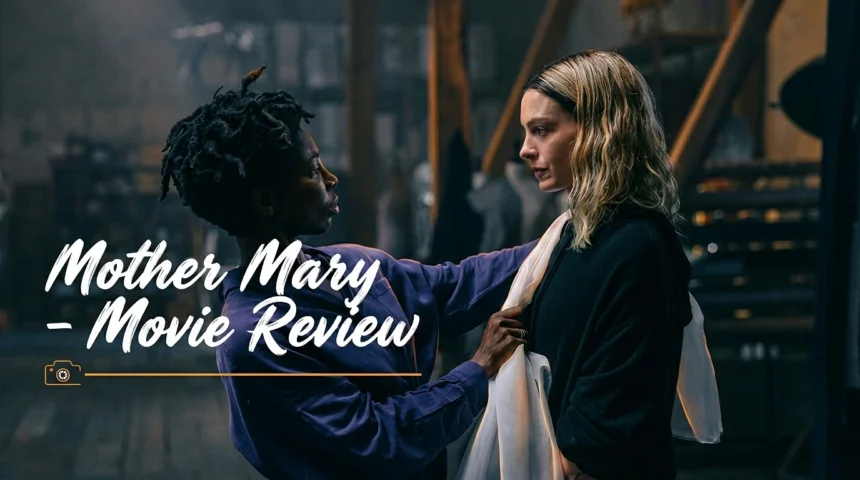
Visually striking but narratively exhausting, David Lowery’s Mother Mary is a stylish psychodrama driven by the intense chemistry between Anne Hathaway and Michaela Coel. While the film features a captivating aesthetic and an electric pop soundtrack, it often trades substance for self-serious, artsy metaphors that may leave viewers either mesmerized or alienated.
| Feature | Details |
| Director | David Lowery |
| Studio | A24 |
| Lead Cast | Anne Hathaway (Mother Mary), Michaela Coel (Sam Anselm) |
| Release Date | April 24, 2026 (Wide Release) |
| Budget / Box Office | $20 Million / $3 Million (Box Office Disappointment) |
1. The Premise
The film follows a global pop superstar, Mother Mary (Hathaway), who seeks out her estranged friend and former artistic collaborator, Sam (Coel), to design a dress for a major comeback performance. Almost the entire film takes place inside Sam’s claustrophobic, dilapidated barn studio. What begins as a tense negotiation over fashion quickly devolves into a surreal, psychosexual ghost story fueled by past betrayals and supernatural forces.
2. The Performances
Critics unanimously agree that the acting is the film’s strongest asset:
- Anne Hathaway delivers a manic, highly physical performance, capturing both the alien charisma of a mega-star and the desperation of a broken artist.
- Michaela Coel anchors the film with an icy, biting, and calculated resentment. She receives the best dialogue and serves as the perfect grounded foil to Hathaway’s theatricality.
3. Direction and Style
Lowery trades his usual indie restraint for a maximalist fever dream. The film boasts incredibly choreographed, high-budget arena concert flashbacks featuring a thumping hyper-pop soundtrack written by Charli XCX and Jack Antonoff. However, the contrast between the massive concert spectacles and the dialogue-heavy reality in the barn creates a jarring experience for many viewers.
4. The Verdict
Mixed to Positive. While visually intoxicating and beautifully acted, Mother Mary is heavily criticized for being overwritten, pretentious, and narratively messy. It behaves more like an existential stage play than a cohesive pop-star thriller, making it a tough sell for mainstream audiences which is reflected in its massive box-office underperformance.
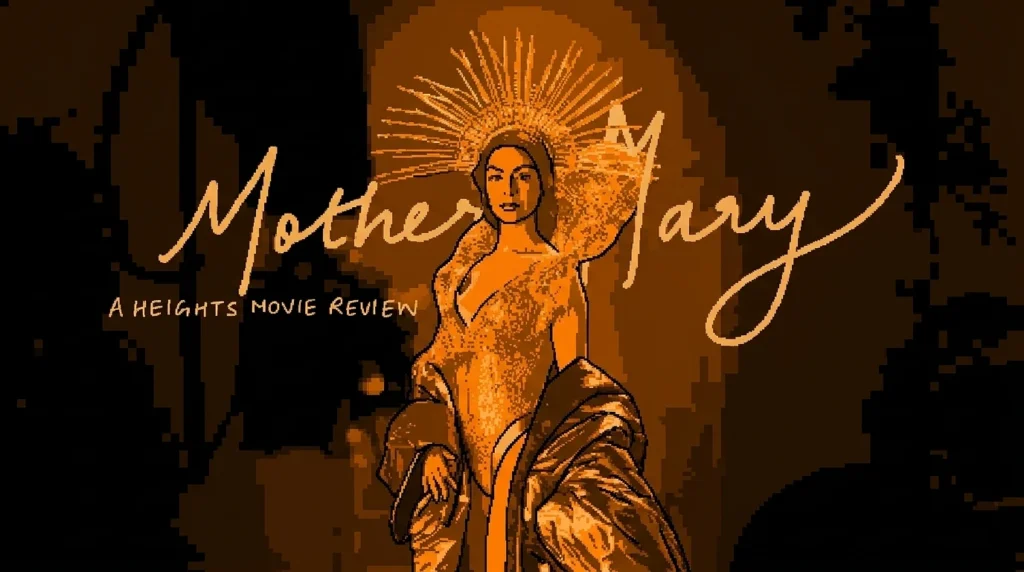
Mother Mary Review
The cursor blinked on the blank screen, rhythmically mocking Elias as he sat in the glow of his monitor. The clock in the corner of his screen read 2:00 AM. His editor wanted the piece by morning, but every time Elias tried to type, all he could hear was the thumping, synthetic bass of the movie’s Charli XCX soundtrack echoing in his skull.
He typed the title out of sheer necessity: Mother Mary Review.
“How do you even review a fever dream?” he muttered to himself, rubbing his tired eyes.
He had walked into the theater expecting a straightforward thriller maybe some biting commentary on the music industry, perhaps a sharp rivalry between two artists. Instead, he had been trapped in a barn with them for two hours, watching reality bend, warp, and fold into something distinctly supernatural.
Elias's fingers finally hit the keys. “David Lowery’s latest is less of a movie and more of an exorcism,” he typed.
He recalled Anne Hathaway’s wide, manic eyes staring directly into the camera, playing a woman completely consumed by the monster of her own fame. He thought about Michaela Coel, wielding a pair of fabric scissors not just as a tool for fashion, but as a psychological weapon. The tension between them had been suffocating. It was brilliant, yet utterly exhausting.
He glanced at his notes beside the keyboard. They were a frantic mess of half-thoughts: Red chiffon. Ouija boards. Pretentious but mesmerizing? Too much time in the barn!
Elias sighed, deleting his first sentence. He realized that trying to neatly package the film into a standard star-rating was a disservice to whatever bizarre art the director had attempted to create. The movie was a ghost story, yes, but the ghost wasn't a spirit it was the toxic, lingering resentment between two people who couldn't figure out how to let each other go.
With a sudden burst of clarity, his hands flew across the mechanical keyboard. He didn’t write about the box office numbers or the pacing issues. Instead, he wrote about the feeling of being haunted by a song you used to love, and the terrifying realization that some bridges, once burned, leave ashes that choke you long after the fire is gone.